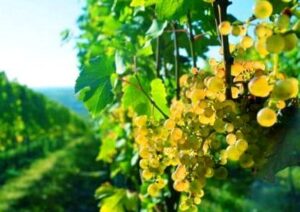
Friday, 26 July 2013

Wines of the Month (August)

Gewürztraminer - Australia
Back again, this aromatic wine grape variety, despite having a pink to red skin colour creates a white wine possessing a gentle spicy and rose petal aromatic experience.  The variety has high natural sugar and the wines are white and usually off-dry, with a flamboyant bouquet of lychees.  The name Gewürztraminer literally means "Spice coming from Tramin" or "Perfume coming from Tramin".  Although the species originated in Tramin, Italy, it has been produced from the cooler regions of Australia from the Adelaide Hills, Eden Valley and the island of Tasmania.

Gewürztraminer marries beautifully with rich, fatty dishes like pork and goose or ripe cheeses, as well as with the exotic spices of Moroccan, Indian, and Far Eastern cuisines.

Gamay Bergamais
Gamay Bergamais is an interesting blend of Gamay Noir and the Bergamais grape. The Bergamais wines are typically fruity, filling the nose with the aromas of cherries and plums and which exhibits a characteristically light bodied red wine. Bergamais is often served slightly chilled and possesses a colour that is usually lighter than your traditional reds. This paired with the dark-skinned variety of grape (Gamay) which adds a slight hint of strawberries creates a fresh, lively and juicy berry scent wine that delivers a crips finish on the palette. It is the perfect wine for casual parties and events, a 'nouveau style' of wine bringing a degree of sophistication and fun for all to enjoy. Those who favour whites only, may also enjoy this type of wine, as its lightness and taste shares similar characteristics with white wines. It's also the perfect wine to take with you on picnics, a lighter fare such as salads and sandwiches.
References
  1.  Stuart Wilson (1996). Understanding, Choosing, and Enjoying Wine. London: Hermes House. p. 88. ISBN 0-681-18585-6.
  2.  wineaccess.com: Gewürztraminer
  3.  wikipedia: Gewürztraminer
  4.  wikipedia: Gamay

Sunday, 30 June 2013

Wines of the Month (July)

Riesling
Riesling is a light-skinned aromatic (wines with a fruity and floral aroma) grape of German origin.  The origins of the grape can be traced to the middle Rhine and the lower Mosel in Germany, which happen to be Europe's great wine rivers.  Recall in the last article, Piesporter can also be traced to the left bank of the Mosel River.

This same wine is produced in the "New World", notably, the Australian Riesling from Australia's Clare and Eden valleys, New Zealand's South Island regions and the famous ice wines of Canada are made mostly from Riesling grape.

Its floral undertones with a hint of honey creates a versatile wine for pairings from appetizers to desserts, poultry, pork, shellfish and almost anything in between.  It possesses a medium-dry sweetness and exhibits a medium body, making it the perfect wine with most foods.

Cabernet Sauvignon
Cabernet Sauvignon (often shortened to 'Cab Sav') is one of the world's most widely recognized red wine grape varieties.  It is grown in nearly every major wine producing country.  It is often referred to as the 'King of Red Wine Grapes', hailing originally from Bordeaux and which has a significant presence in California's wine producing areas.   It is rivaled by its Bordeaux 'Merlot' and its opposite contender, 'Pinot Noir'.  Favouring warmer climates, it is most successful in Australia, Chile, South Africa and New Zealand.  Although, the powerhouse productions are found in France and Italy.  A common question asked relates to the difference between Merlot and Cab Sav. The answer is that they are made from different grapes.  Merlot is often described as a softer and more supple wine than the Cab Sav.   Cab Sav is described as having a bit more backbone and tannic strength than Merlot.  One of the most noted traits of Cabernet Sauvignon is its affinity for oak, either during fermention or in-barrel ageing.

Cab Sav is best paired with red meats, flavourful and heartier (red) pastas, in particular, penne arrabiata, strong-flavoured cheeses and dark chocolates.

References
  1. Wine Searcher
  2. wikipedia: Riesling
  3. wine-searcher: Cabernet Sauvignon
  4. wikipedia: Cabernet Sauvignon

Wednesday, 8 May 2013

Wines of the Month (May)

Gewürztraminer - Australia
This aromatic wine grape variety, despite having a pink to red skin colour creates a white wine possessing a gentle spicy and rose petal aromatic experience.  The variety has high natural sugar and the wines are white and usually off-dry, with a flamboyant bouquet of lychees.  The name Gewürztraminer literally means "Spice Traminer" or "Perfumed Traminer".  Although the species originated in Tramin, Italy, it has been produced from the cooler regions of Australia from the Adelaide Hills, Eden Valley and the island of Tasmania.

Gewürztraminer marries beautifully with rich, fatty dishes like pork and goose or ripe cheeses, as well as with the exotic spices of Moroccan, Indian, and Far Eastern cuisines.

Cabernet / Shiraz - Australia
An interesting blend of the Cabernet grapes variety with Shiraz (Syrah) grape producing a full-bodied wine possessing plenty of dark-fruit flavours with a hint of vanilla oak and spices. This blend coming from Australia keeps the formula as to the proportions under wraps, as this same blend may differ from place to place and season to season.

This bold wine tends to overwhelm light dishes. It is best sipped with red meat dishes, like steak and lamb, heavy cream dishes, and dark chocolate desserts.

References
  1.  Stuart Wilson (1996). Understanding, Choosing, and Enjoying Wine. London: Hermes House. p. 88. ISBN 0-681-18585-6.
  2.  wineaccess.com: Gewürztraminer
  3.  wikipedia: Gewürztraminer
  4.  wikipedia: Syrah
  5.  wine-searcher.com: Cabernet-Syrah

Sunday, 21 April 2013

Wines of the Month (April)

Chardonnay
Chardonnay is a green-skinned grape which originates in the Burgundy wine region of eastern France. Its success as the most popular white wine, aside from its attributes, are now grown not only in France, as well as in the USA, Australia, New Zealand and England.  This line of grape is popular with wine producers because it produces high yields, and its low maintenance vines will grow in a broad spectrum of climates.   The Australian and New Zealand  Chardonnays are noted for their butterscotch and golden syrup flavours.  In addition, Chardonnays boast an impressive range of flavours from the expected buttered, oak overtones to the fruity flavours of apple, pear, melon which creates a lasting palate impression.

Chardonnay will pair well with poultry dishes, pork or seafood, especially with Digby scallops.  Recipes which have a heavy cream or butter base will also pair well.

Cabernet Sauvignon
Cabernet Sauvignon (often shortened to 'Cab Sav') is one of the world's most widely recognized red wine grape varieties.  It is grown in nearly every major wine producing country.  It is often referred to as the 'King of Red Wine Grapes', hailing originally from Bordeaux and which has a significant presence in California's wine producing areas.   It is rivaled by its Bordeaux 'Merlot' and its opposite contender, 'Pinot Noir'.  Favouring warmer climates, it is most successful in Australia, Chile, South Africa and New Zealand.  Although, the powerhouse productions are found in France and Italy.  A common question asked relates to the difference between Merlot and Cab Sav. The answer is that they are made from different grapes.  Merlot is often described as a softer and more supple wine than the Cab Sav.   Cab Sav is described as having a bit more backbone and tannic strength than Merlot.  One of the most noted traits of Cabernet Sauvignon is its affinity for oak, either during fermention or in-barrel ageing.

Cab Sav is best paired with red meats, flavourful and heartier (red) pastas, in particular, penne arrabiata, strong-flavoured cheeses and dark chocolates.

References
  1. wine-searcher: Chardonnay
  2. wine-searcher: Cabernet Sauvignon
  3. wikipedia: Chardonnay
  4. wikipedia: Cabernet Sauvignon
  5. about.com: Chardonnay

Sunday, 3 March 2013

Wines of the Month (March)

Riesling
Riesling is a light-skinned aromatic (wines with a fruity and floral aroma) grape of German origin.  The origins of the grape can be traced to the middle Rhine and the lower Mosel in Germany, which happen to be Europe's great wine rivers.  Recall in the last article, Piesporter can also be traced to the left bank of the Mosel River.

This same wine is produced in the "New World", notably, the Australian Riesling from Australia's Clare and Eden valleys, New Zealand's South Island regions and the famous ice wines of Canada are made mostly from Riesling grape.

Its floral undertones with a hint of honey creates a versatile wine for pairings from appetizers to desserts, poultry, pork, shellfish and almost anything in between.  It possesses a medium-dry sweetness and exhibits a medium body, making it the perfect wine with most foods.

Chianti
Rolling hills of Chianti
The name "Chianti" is synonymous of excellent wine world-wide. The origin of Chianti are the gentle hills located in the famous wine region of Tuscanny, between Florence, Siena and Arezzo. The region was rich of forests, water and game had the characteristics of the highlands, and was not easily accessible, preserving the region from the destruction of barbarian invasions after the fall of the Roman Empire. However, during the medieval period, Chianti was the centre of civil wars between Siena and Florence, each of whom wanted control over these lands.  Many castles and fortresses in this area bear testimony to this difficult period of its history.  Some time after this period of warfare, some of the valleys were cleared and cultivated and which continue to produce the grapes today.

Today, there are at least seven zones defined by the Dalmasso Commission in 1932 which include Chitani Classico, Chianti Montalbano, Chianti Rufini, etc.  Its primary red grapes are of the Sangiovese and Canaiolo lines, whereas, the whites are Trebbiano and Malvasia.

This Tuscan treasure charms with bold, rich cherry fruit aromas and flavours of cocoa, vanila and ripe cranberries. Good tannis and a hint of oak make it a soft, balanced red.

References:
  1. Wine Searcher
  2. wikipedia: Riesling
  3. Chianti

Saturday, 26 January 2013

Wines of the Month (February)

Piesporter
Map depicting Piesport and the surrounding area
The grapes used to produce these kits were grown in California whose lineage of the grapes were originally sourced from the area around the community of Piesport on the left bank of the Mosel River in Germany. Interestingly, a large Roman grape pressing facility was unearthed at the Piesporter Goldtröpfchen vineyard site in 1985.  This discovery clearly indicates the importance of the vines cultivated on the slopes of Piesporter since 3 A.D.  The Romans recognized that the Mosel region provided ideal conditions and micro-climate for a successful viticulture.  The slope with its east and west facing foothills, are well-protected from the cold winds, combined with the forest above the vineyards and deep, clayish slate soils ensure perfect water supply even during hot, dry summers.

The white wines produced possess a natural, fruity sweetness in a presentation that one can fully enjoy a wine's fruitiness and armoas without having the slightest impression of an overly sweet wine.  The natural sweetness is achieved by stopping the fermentation thus preserving the pure and complete expression of the fruit from their respective sites from the region.

Vieux Château du Roi (Château Neuf Du Pape)
Vineyards located at Château Neuf Du Pape
The name roughly translated is "old house of the king".  Vieux Château du Roi or VCR is a name that wine kits makers' use to represent Château Neuf Du Pape ("new house of the pope") like wine blends.  The original name was coined from the time when Pope Clement V moved to Avignon in 1305 due to a conflict between the Papacy and the French Crown in the historic region in the southern Rhone Valley in France. Apparently, the Pope was an avid wine lover. Aside from being infatuated with wine, Pope Clement V's other memorable historical note was that he was ultimately responsible for suppressing the order of the Knights Templar.  Getting back to the subject of wine, in California, VCR is produced from a blending of a variety of grapes to imitate the complexities possessed by the original Château Neuf Du Pape. Such attributes as the ripeness of the grapes and the oak barrels used in ageing the red wine creates a lush wine with a polished texture.

References
  1. The Wine Rambler
  2. Reinhold Haart
  3. Wine-Searcher
  4. The Wine Cellar Insider

Monday, 21 January 2013

The Dexter Decision: Action or Inaction on NSLC versus u-vint operators.

The NDP Government, led by our Premier, Darrell Dexter, has a choice to make this week.  They have to choose whether or not to intervene in the NSLC’s request to the NS Supreme Court for a permanent injunction to close three small u-vint businesses.   And it is a choice.  This is not a criminal matter before the courts, it is a civil one.  No charges have been laid by the RCMP; no Crown Attorney is handling the application to the court.  But someone is making this move forward, and making decisions about how we were investigated, how and when to prosecute us, and how to best force us out of the market.  Who ever that is, works for the NSLC.  And the NSLC comes under the responsibility of the Department of Finance. 

Minister Maureen MacDonald, has the choice to exercise ministerial discretion over this matter.  She is not obligated to intervene, but as a senior member of  government, it is her responsibility to act in a fair and reasonable manner.  She can choose to consider just the regulations and ignore the inherent conflict of interest that exists in having the NSLC be both monopoly retailer and market regulator.

The Premier and all his Ministers can choose to consider the impact this has on three businesses that have been charged and how the business environment in the province is affected.

Actions Needed

Should the Minister and Premier decide to act, versus sit this out to see what happens in a court next Monday, there are things they can do. 
  1. Have the NSLC withdraw their application to the court;
  2. Have the NSLC cease any further legal action against u-vint operators until such time as the regulations and role of the NSLC in enforcement has been reviewed;
  3. Order a review of the legislation and regulations in light of both public policy interests and public opinion.  Work with industry participants, NSLC management and government representatives to establish clear rules and practises for the operation of u-vint services in Nova Scotia.
Taking action on this matter is straightforward.